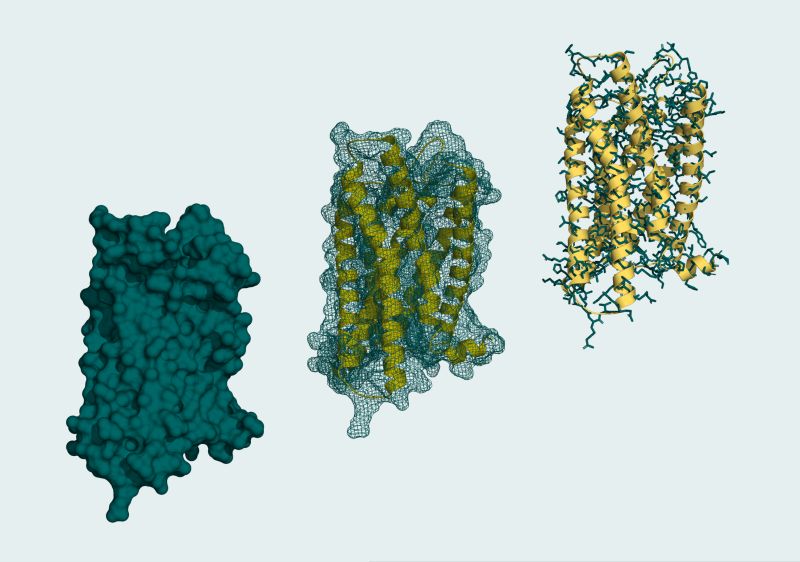
For decades, GPCRs were paradoxical targets: biologically central, yet structurally elusive. These receptors mediate key signaling pathways involved in sensory processing, metabolism, immune function, and neurotransmission. We knew they mattered, but for a long time, many GPCRs were labeled “undruggable” due to their dynamic conformations, membrane localization, and limited structural insight.
𝗪𝗵𝗮𝘁 𝘀𝗵𝗶𝗳𝘁𝗲𝗱 𝘁𝗵𝗲 𝗳𝗶𝗲𝗹𝗱?
– Breakthroughs in structural biology (cryo-EM and stabilized receptor constructs).
– Better understanding of biased signaling and allosteric modulation.
– Advances in computational modeling and high-throughput screening.
– A recognition that functional selectivity can be as important as affinity.
𝗧𝗵𝗲 𝗿𝗲𝘀𝘂𝗹𝘁?
Today, GPCRs represent one of the most druggable and productive target classes in medicine, accounting for ~33% of approved drugs covering oncology, cardiology, neurology, metabolic disease and rare disorders.
𝗦𝗼 𝘄𝗵𝗮𝘁’𝘀 𝗻𝗲𝘅𝘁?
– Precision GPCR targeting.
– Biased agonists with improved safety profiles.
– Orphan GPCRs moving from biology to bona fide drug programs.
– Next-generation stabilized constructs.
The GPCR story is a powerful reminder that “undruggable” is often just a temporary label, one that innovation, persistence and cross-disciplinary science can overturn.
𝗖𝘂𝗿𝗶𝗼𝘂𝘀 𝘁𝗼 𝗵𝗲𝗮𝗿
Which GPCR advances do you think will define the next decade of therapeutics?
Evolution of GPCR research